Rug Pull Explained What It Is How It Works and How to Avoid It
· based on the channel Ecole Nadjm el Maarifa- مدرسة نجم المعرفة
Key takeaways
- Rug pulls are crypto scams involving sudden liquidity withdrawal
- Common in meme coins and DeFi projects on Solana and Ethereum
- Rug pulls manipulate token price and liquidity pools
- Warning signs include locked liquidity absence and suspicious token authority
- Tools exist to analyze token contracts and liquidity for safety
Rug pull is a type of crypto scam where developers or insiders create a token, attract investors, then suddenly withdraw all liquidity, causing the token price to crash and investors to lose funds. This deceptive practice is common in meme coins and decentralized finance (DeFi) projects, especially on fast-growing blockchains like Solana.
The process of a rug pull typically involves launching a new token, adding liquidity to decentralized exchanges (DEXs) such as Raydium or pump.fun, then manipulating liquidity pools or token price to lure buyers before removing liquidity abruptly. Understanding how rug pulls work helps traders and developers recognize risks and avoid falling victim.
You can create your own meme coin or explore token launches at noxmint.com, which also provides tools for safer token creation and monitoring.
How Rug Pulls Work in Crypto Markets
A rug pull happens when token creators or insiders exploit control over liquidity pools and token authorities. The common steps include:
- Token Creation: Developers set up a token on Solana or Ethereum, often as a meme coin to attract hype.
- Liquidity Addition: Initial liquidity is added to DEXs like Raydium or pump.fun, allowing trading.
- Pump Phase: The token price is pumped either by marketing or artificially through trading bots.
- Liquidity Drain: Creators withdraw liquidity by removing tokens and base assets, crashing the price.
This manipulation leaves investors with worthless tokens and no liquidity to sell them. The technical details involve control over mint authority, freeze authority, and the liquidity pool tokens.
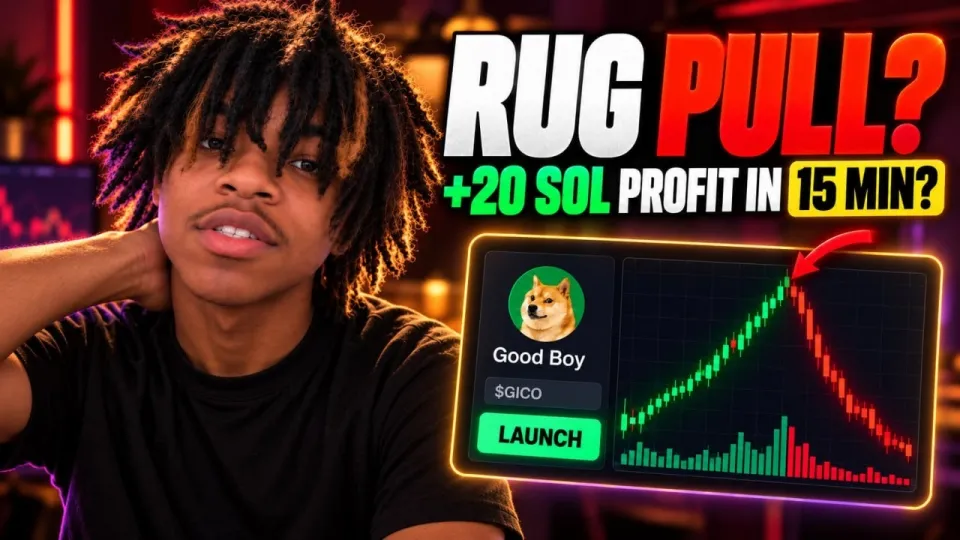
Launching a Meme Coin and Its Relation to Rug Pulls
Launching a meme coin is straightforward on platforms supporting Solana tokens. Key technical elements include:
- Token Supply: Total and circulating supply affect token value.
- Authorities: Mint authority controls token creation; freeze authority can halt transfers.
- Liquidity Deployment: Liquidity pools on platforms like Raydium or pump.fun facilitate trading.
If developers retain mint or freeze authority and do not lock liquidity, they can perform rug pulls easily. Therefore, launching a meme coin securely requires revoking or locking authorities and liquidity.
Recognizing Common Rug Pull Patterns and Red Flags
Investors should watch out for these indicators:
- Unlocked or No Locked Liquidity: Liquidity that can be withdrawn anytime is a major risk.
- Centralized Token Authorities: Developers retaining mint or freeze authority can mint unlimited tokens or freeze transfers.
- Unverified or Obfuscated Smart Contracts: Lack of transparency in token contracts increases risk.
- Unusual Token Holder Distribution: A few wallets holding most tokens can manipulate price.
- Aggressive Marketing Without Fundamentals: Hype-driven tokens are often scams.
Using on-chain analysis tools and contract verifiers can help detect these.
How Liquidity and Token Prices May Be Manipulated
Manipulation techniques include:
- Liquidity Pool Draining: Removing liquidity causes price collapse.
- Pump and Dump: Coordinated buying inflates price followed by mass sell-off.
- Minting Extra Tokens: Increasing supply dilutes value.
- Fake Volume: Wash trading creates false demand.
Developers may coordinate these to maximize profits before exiting.
Essential Security Checks Before Buying New Tokens
Before investing, perform these checks:
- Verify if liquidity is locked and for how long.
- Check token contract on explorers like Solscan for mint/freeze authorities.
- Analyze holder distribution to ensure decentralization.
- Read community reviews and warnings on forums.
- Use tools like Dexscreener and token audit reports.
These steps reduce chances of being caught in a rug pull.
Useful Links
Итог
Rug pulls remain a significant threat in the fast-paced crypto space, especially with meme coin launches on Solana and similar platforms. Understanding how they operate—from token creation, liquidity deployment, to manipulation tactics—is crucial for developers and investors alike. Always perform thorough security checks, watch for red flags, and use trusted tools. This article is based on insights from the channel Ecole Nadjm el Maarifa- مدرسة نجم المعرفة, which offers valuable tutorials on Solana development and crypto security. For those interested in creating or analyzing meme coins, visiting noxmint.com is a recommended start to ensure safer engagement with the crypto market.
Source: How to Launch A Meme Coin and Rug Pull 2026 Method · Markdown version
Questions & answers
What exactly is a rug pull in cryptocurrency?
A rug pull is a scam where token creators or insiders suddenly withdraw liquidity from a token's trading pool, causing its price to crash and investors to lose their funds.
How can I identify if a token might be a rug pull?
Look for signs such as unlocked liquidity, developers retaining mint or freeze authority, disproportionate token holder distribution, unverified contracts, and excessive hype without fundamentals.
Can rug pulls happen on all blockchain platforms?
Yes, rug pulls can occur on any blockchain that supports token creation and decentralized trading, but they are notably common on fast-growing platforms like Solana due to ease of token launches.
What precautions should I take before investing in new meme coins?
Check if liquidity is locked, verify token contract authorities, analyze holder distribution, research community feedback, and use audit and on-chain analysis tools to assess the token's legitimacy.